










Top Crypto Swap Apps for iPhone in 2026

Table Of Contents
Crypto swap apps have redefined mobile trading, turning the iPhone into a primary tool for decentralized finance. Since 2023, mobile DeFi activity has grown sharply, with iOS wallets accounting for an increasingly large share of on-chain interactions thanks to secure hardware and tight wallet integration.
This article reviews the leading crypto swap apps for iPhone in 2026, comparing their performance, liquidity, and compliance maturity.
Why Swap Apps Outperform Traditional Exchanges
Speed and Direct Access
Centralized exchanges handle orders through matching engines and internal ledgers, adding latency. Swap apps route transactions directly through smart contracts, often completing swaps within tens of seconds, especially on Layer-2 and high-throughput networks. On iOS, this on-chain model dominates short-term trades where timing determines profitability.
Security and Full Custody
Custodial platforms require users to deposit assets, exposing them to breaches and withdrawal limits. Non-custodial swap apps keep funds in the user’s wallet until confirmation. Combined with iPhone’s Secure Enclave and biometric sign-in, it creates a closed, device-level security loop.
Cost and Liquidity Efficiency
Modern swap engines aggregate rates from multiple decentralized pools, finding the best route automatically. Layer-2 integration and cross-chain protocols have reduced typical swap costs by about 40% since 2024. Among the most effective examples is Monad crypto, whose unified liquidity model supports instant swap operations across major assets like ETH, BTC, and SOL without central mediation. These advantages make swap apps superior for everyday crypto conversions on iPhone.
What Defines the Best Swap App in 2026
1) Cross‑chain Coverage
Top swap apps support native interoperability across Ethereum, Solana, BNB Chain, Arbitrum, and Sui. Bitcoin swaps run through wrapped or bridged assets handled automatically. One-tap cross-chain execution is increasingly expected by iPhone users, even though the underlying routing and bridging remain technically complex.
2) Transparent Fees
Leading platforms display live fee data and slippage before every transaction. Average swap costs stay within 0.3–1%, replacing hidden markups with verified pricing.
3) KYC and Compliance Balance
Modern apps offer optional verification—anonymous for smaller trades, verified for higher volumes—in line with MiCA and FinCEN frameworks.
4) iOS Optimization
Apps for iOS 18+ rely on native Swift architecture and Apple’s security frameworks such as Secure Enclave, Keychain, and Face ID.
| Criteria | Weight | Example |
| Cross-chain support | 25% | 1inch, Uniswap Mobile |
| Fee transparency | 20% | ChangeNOW, Trust Wallet |
| Security & custody | 25% | MetaMask, SafePal |
| KYC adaptability | 15% | Non-KYC systems |
| iOS optimization | 15% | Phantom, Coinbase Wallet |
In practice, the best swap apps combine speed, clarity, and full asset control, defining what seamless DeFi on iPhone means in 2026.
Top Crypto Swap Apps for iPhone in 2026
All apps below are optimized for iOS 18+ with Secure Enclave support. Reviews combine public on-chain analytics, protocol dashboards, and disclosures from app providers.
1. ChangeNOW — Fast Multi‑Chain Performance
Coverage: Supports 400+ assets and more than 70 blockchains, including Ethereum, Solana, BNB Chain, Avalanche, and wrapped Bitcoin. Processes about 35,000 daily swaps (ChangeNOW, Dec 2025).
Execution speed: Average completion time of 20–25 seconds, with dynamic routing optimizing liquidity and gas.
Fees: Transparent range of 0.4–0.9%, shown before confirmation; fixed rates available for volatile pairs.
Security: Fully non‑custodial, with 2025 audits by Hacken; verified transaction success rate above 99.9%.
Compliance: KYC applies only to fiat on‑ramps; crypto‑to‑crypto swaps remain private and borderless.
iOS integration: Optimized for iOS 18+, featuring biometric signing, real‑time rate tracking, and Apple Pay links for quick fiat purchases.
Best for: rapid, low‑friction swaps across multiple blockchains.
2. Uniswap Mobile — Deep Liquidity and Full Transparency
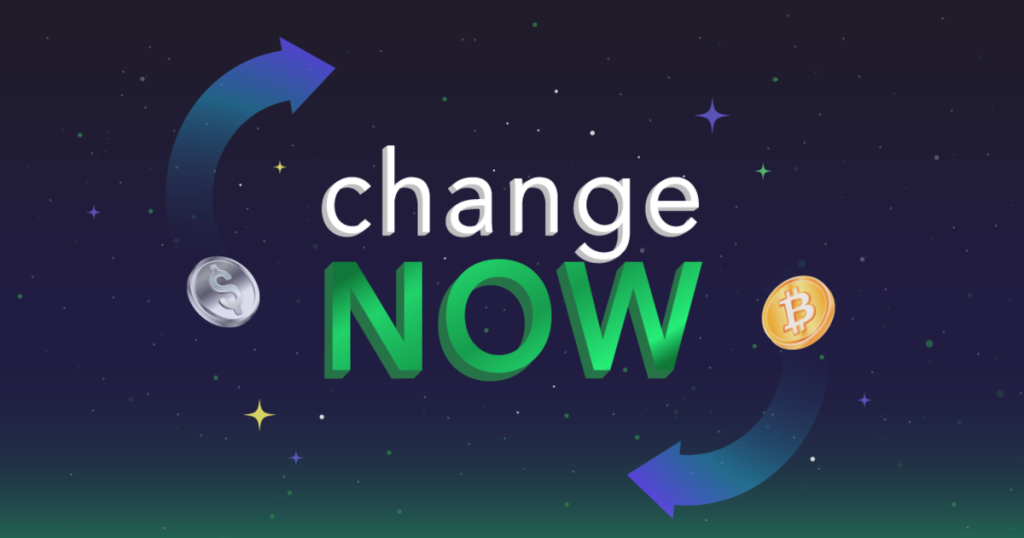
Coverage: Deployed on Ethereum, Arbitrum, Optimism, Base, and Polygon, representing a dominant share of DEX liquidity across Ethereum and major Layer-2 networks.
Execution speed: Typical swap confirmed in 30–40 seconds, faster on Layer‑2 networks, which now handle over 50% of Uniswap’s daily volume.
Fees: Standard 0.3% protocol fee plus gas; slippage reduced by 12–15% after V4 routing updates.
Security: Fully open‑source, audited, and non‑custodial; historical failure rate under 0.2%.
Compliance: No KYC. All activity recorded transparently on‑chain, facilitating optional reporting compliance.
iOS integration: Minimalist design with Face ID approvals and predictive gas estimation on iPhone.
Best for: advanced DeFi users prioritizing deep liquidity and data transparency.
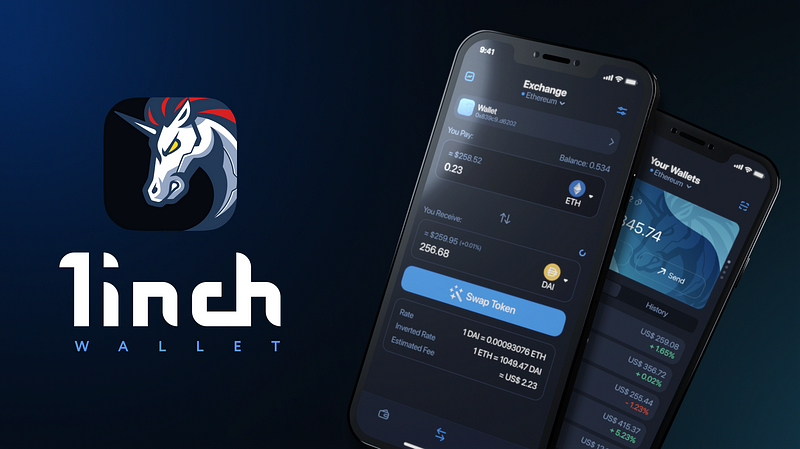
3. 1inch Wallet — Best Price Aggregation
Coverage: Operates on 12+ networks, including Ethereum, BNB Chain, Polygon, Avalanche, Arbitrum, and zkSync Era.
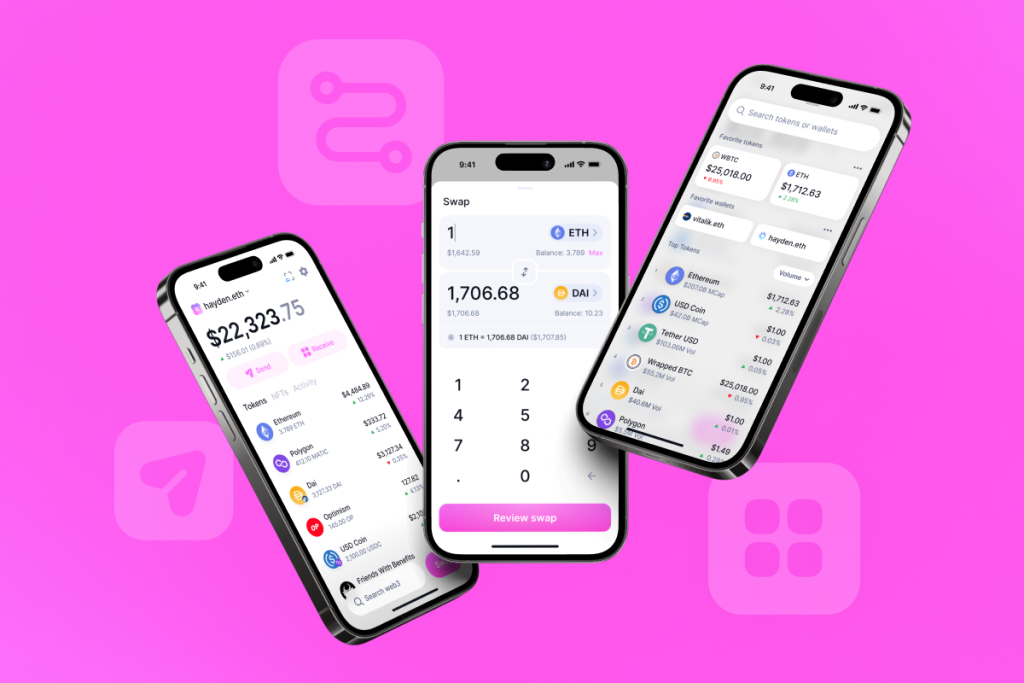
Execution speed: Swaps finalize in 25–30 seconds; Pathfinder engine distributes orders across 30+ liquidity sources.
Fees: Optimized routing often delivers meaningfully better pricing than single-DEX execution, particularly on larger trades. Network costs vary by chain congestion.
Security: Non‑custodial with keys encrypted locally; audited by SlowMist. Failed transaction ratio below 0.3%.
Compliance: Optional API identity for regulated participants while maintaining full anonymity for standard users.
iOS integration: Built with native Swift architecture, providing route visualization and real‑time gas tracking.
Best for: traders seeking best‑rate execution through deep aggregation.
4. Trust Wallet — Comprehensive and Accessible
Coverage: Over 70 blockchains and 1,000+ assets, covering major DeFi and NFT ecosystems across Ethereum, BNB Chain, and Solana.
Execution speed: Average 20–30 seconds via internal DEX aggregator.
Fees: Typically 0.5–0.9%, fully transparent before confirmation.
Security: 100% non‑custodial. Keys secured locally using Apple’s hardware-backed security and biometric protection. A 2025 CertiK audit validated new token‑risk alerts reducing scam exposure by ~40%.
Compliance: Anonymous crypto swaps; light KYC required for fiat channels only.
iOS integration: Biometric one‑tap approvals and embedded Apple Pay purchase options.
Best for: mainstream users valuing simplicity, reliability, and multi‑asset flexibility.
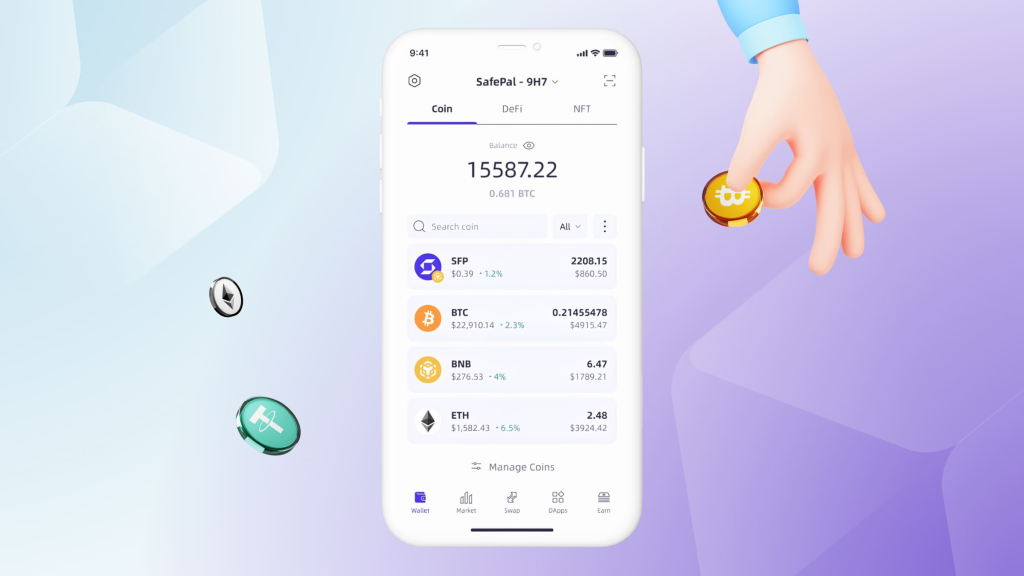
5. SafePal — Hardware‑Enhanced Security Layer
Coverage: More than 50 blockchains, including native BTC, ETH, SOL, and BNB support.
Execution speed: On‑chain swaps generally clear in 25–35 seconds, depending on bridge load.
Fees: Average 0.3–0.7%, with extra savings for batch transactions (up to 15% reduced fees).
Security: Hybrid structure linking the SafePal hardware wallet with mobile signing via encrypted QR exchange. No widely reported security incidents at the protocol level to date.
Compliance: Non‑KYC for crypto swaps; optional registration for fiat gateways aligned with AML standards.
iOS integration: Low‑latency pairing with hardware devices, enabling QR‑based signing without exposing private keys.
Best for: long‑term holders secure by design against online threats.
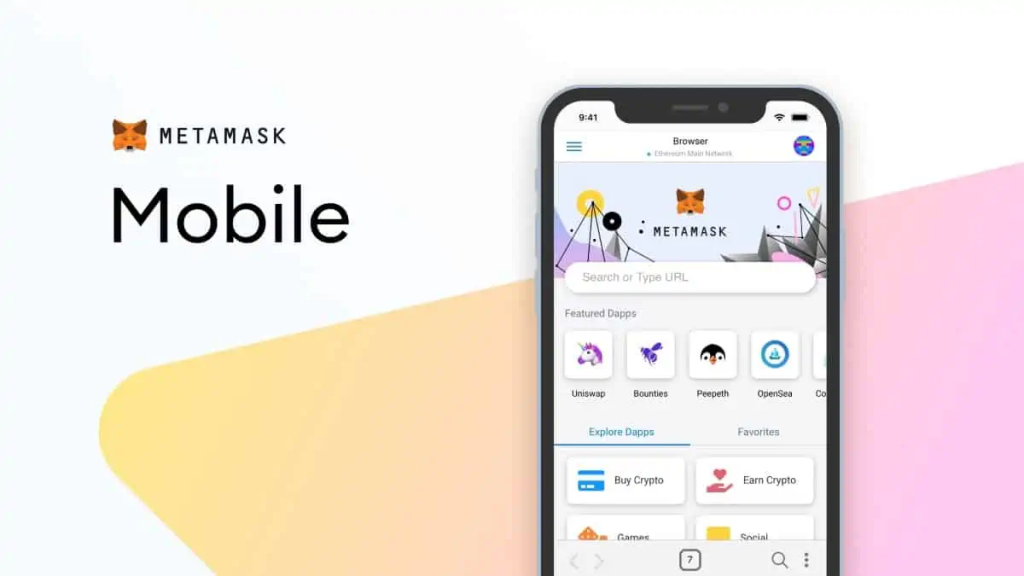
6. MetaMask Mobile — Advanced Customization and Layer‑2 Reach
Coverage: Supports Ethereum, Base, Optimism, Polygon, Arbitrum, zkSync, and StarkNet — collectively accounting for a large share of Layer-2 activity across major Ethereum scaling networks.
Execution speed: Layer‑2 routes execute in 15–25 seconds, about 60–70% faster than 2023 levels.
Fees: Aggregator fee of 0.875%, publicly transparent; network gas depends on route.
Security: Open‑source code under continuous audits. Integrated phishing detection database tracking 50,000+ flagged threats.
Compliance: Optional KYC only through third‑party fiat gateways; crypto swaps remain decentralized.
iOS integration: Supports Face ID signing and Apple Keychain encryption for keys; detailed gas insights per transaction.
Best for: developers and power users trading across multiple Layer‑2 ecosystems.
Privacy‑Focused Alternatives
For users prioritizing anonymity, several non‑KYC swap options integrate directly with wallets like MetaMask, Trust Wallet, or SafePal. These enable private swaps of BTC, stablecoins, and privacy assets via decentralized bridges — a practical route in highly regulated regions.
Comparative Overview
| App | Avg. Swap Speed | Fee Range | Supported Networks | Custody Model | KYC Policy | iOS Optimization* |
| ChangeNOW | 20–25s | 0.4–0.9% | 70+ | Non‑custodial | Optional (fiat only) | 9.5/10 |
| Uniswap | 30–40s | 0.3% + gas | 5+ | Non‑custodial | None | 9.2/10 |
| 1inch | 25–30s | ~0.5% | 12+ | Non‑custodial | Optional | 9.3/10 |
| Trust Wallet | 20–30s | 0.5–0.9% | 70+ | Non‑custodial | Minimal (fiat) | 9.6/10 |
| SafePal | 25–35s | 0.3–0.7% | 50+ | Hybrid (hardware) | Optional | 9.0/10 |
| MetaMask | 15–25s | 0.875% | 6+ | Non‑custodial | Fiat only | 9.4/10 |
*Based on App Store performance, update cadence, and documented iOS feature support (Dec 2025).
Key Insights
- Fastest execution: MetaMask and ChangeNOW dominate sub‑30‑second swaps.
- Best pricing: 1inch delivers the lowest slippage through multi‑DEX routing.
- Highest security: SafePal’s hybrid model stands apart in key isolation.
- Best overall UX: Trust Wallet leads for usability and App Store reliability.
- Top liquidity depth: Uniswap maintains market dominance across Layer‑1 and Layer‑2 environments.
Together, these apps define the mobile DeFi standard for 2025–2026 — combining self‑custody, transparent execution, and regulatory adaptability within the optimized iPhone trading ecosystem.
Regulatory and Market Factors Influencing Mobile Swaps
1. Legal Clarity and Oversight
- The EU’s Markets in Crypto‑Assets (MiCA) second phase takes effect in early 2026, setting unified standards for stablecoin swaps and service registration.
- In the U.S., FinCEN’s 2025 guidance confirmed that self‑custodial wallets and non‑intermediary swap apps are not money transmitters — giving decentralized platforms legal certainty without requiring licenses.
2. Apple’s Policy Shift
- Following the Digital Markets Act (DMA), Apple began allowing alternative payment rails on iOS in 2025.
- This enabled wallets with integrated WebKit DApp browsers to process direct on‑chain swaps, contributing to a noticeable increase in iOS-based DeFi activity and smoother in-app swap execution.
3. Regional KYC Divergence
| Region | Regulatory Direction | DeFi Landscape |
| Europe | MiCA harmonization, emphasis on transparency and compliance readiness. | Stable, unified framework. |
| North America | Stricter AML controls for bridges; self‑custodial apps remain exempt. | Moderate oversight, continued growth. |
| Asia‑Pacific | Singapore increasing oversight; Japan running a regulated sandbox; Vietnam and Indonesia with light enforcement. | Fragmented but expanding rapidly. |
4. User and Market Trends
- The average swap size on mobile grew 48% between 2022–2025, while trade counts eased — signaling a move toward portfolio management over speculation.
- Stablecoins (USDC, USDT, DAI) now make up over 55% of mobile swaps, confirming demand for low‑volatility assets and predictable liquidity.
5. 2026 Scenarios
| Scenario | Core Conditions | Market Impact |
| Optimistic | Global consensus on non‑custodial use rights. | +80% user growth. |
| Base Case | Gradual MiCA rollout, controlled KYC adoption. | 20–30% annual DeFi growth. |
| Stress Case | Regional bans on private wallets. | Up to 25% drop in accessibility. |
Summary
2026 marks a shift from uncertain regulation to structured cooperation. With MiCA, FinCEN, and Apple’s updated policy shaping a more open environment, mobile swap apps gain a practical advantage — combining compliance, performance, and hardware‑level security in one user‑centric ecosystem.
How to Choose and Use a Swap App on iPhone
1. Verify legitimacy
Download from official App Store; check recent updates and audits.
2. Test network fit
Confirm support for your key chains/assets before first swap.
3. Time trades wisely
Use low-traffic hours (UTC 02:00–06:00) for minimal gas.
4. Pre-swap checklist
- Double-check token contracts.
- Compare rates across 2+ apps.
- Set slippage limits.
5. KYC awareness
Expect light checks only for fiat; pure crypto swaps stay private.
Choosing a swap app on iPhone is about balancing trust, cost, and security. Platforms such as ChangeNOW, Trust Wallet, and 1inch rank among the most effective options for reliable, compliant, and self‑custodial trading in 2026.
Final Outlook: The Next Era of Mobile DeFi
iPhone‑based swap apps have turned decentralized trading into a seamless, everyday tool. By 2026, platforms like ChangeNOW, 1inch, and Trust Wallet prove that mobile DeFi can rival centralized exchanges in speed and reliability while keeping users in control. The next phase will favor tools that are fast, transparent, and flexible enough to operate across chains without taking control away from the user.


You May Also Like